HMO mortgages
A House in Multiple Occupation (HMO) — a property let room-by-room to unrelated tenants who share facilities — usually needs a specialist mortgage, and very often a council licence too. The two are separate requirements and people regularly miss one of them.
- Plain English, about 6 minutes
- General information, not advice
- No invented rates
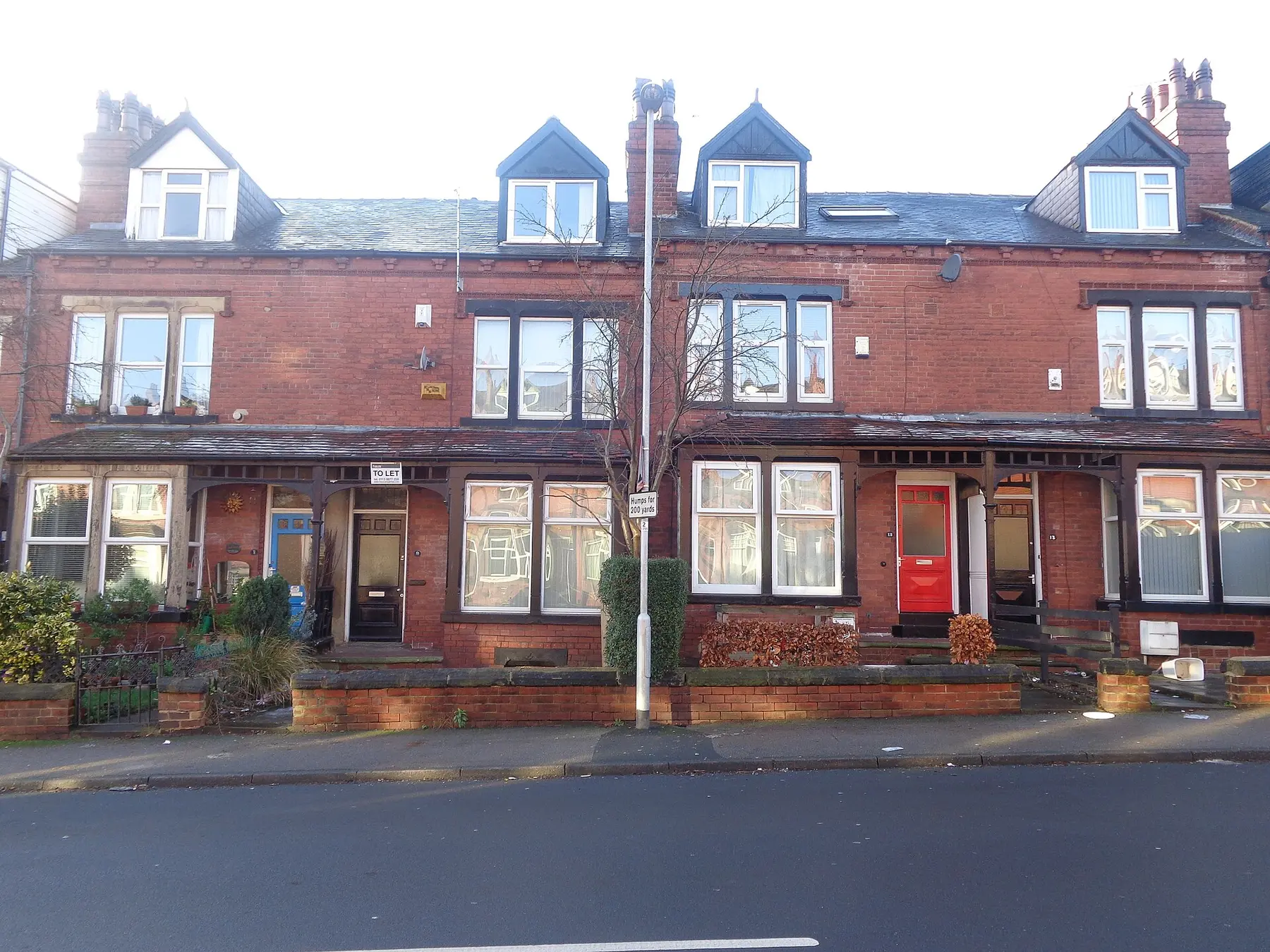
What counts as an HMO
Broadly, a property is an HMO if it's rented to three or more tenants forming more than one household, sharing facilities such as a kitchen or bathroom. Within that, "large" or licensable HMOs — commonly five or more tenants forming two or more households — trigger mandatory licensing in England and Wales; some local authorities also run "additional licensing" schemes covering smaller HMOs in their area. Definitions and thresholds are set in law and by individual local authorities, so always check the specifics rather than assume.
Licensing — separate from the mortgage
A mortgage offer is not an HMO licence
Getting an HMO mortgage does not mean the property is licensed, or licensable, or compliant. HMO licensing is handled by the local council, has its own conditions (room sizes, fire safety, amenity standards), and operating an unlicensed HMO that requires a licence is a legal offence with serious penalties. Always check directly with the relevant local authority before you buy or let a property as an HMO — see gov.uk's landlord guidance as a starting point.
How HMO lending differs
- Specialist lenders. Not every BTL lender offers HMO products; those that do often specialise in this end of the market.
- Valuation. HMOs are typically valued partly on rental income (an investment-style valuation) rather than purely on comparable house prices, and valuers will usually expect to see room-by-room configuration and compliance evidence.
- Deposit requirements for HMOs are often higher than for a standard single-let BTL property, reflecting the more specialist nature of the asset — check current requirements with a lender or broker.
- Landlord experience. Some lenders want to see prior landlord experience before lending on an HMO, particularly for larger properties; others will consider first-time HMO landlords with the right support.
- Room numbers matter. Lenders often have maximum room-count limits per product, and may treat larger or purpose-built HMOs differently from converted family homes.
FAQ
Do I need planning permission for an HMO?
Sometimes — this depends on the size of the HMO and whether the property is in an area with an "Article 4 direction" removing permitted development rights for HMO conversions. Check with the local planning authority before assuming you can convert a property freely.
Can I convert an existing BTL mortgage to an HMO mortgage?
Not automatically — letting a property as an HMO on a standard single-let BTL mortgage without the lender's agreement can breach your mortgage terms. Speak to your existing lender or a broker before changing how a property is let.
Next step
Check licensing requirements with the relevant local council, then compare independent brokers who cover HMO lending specifically.